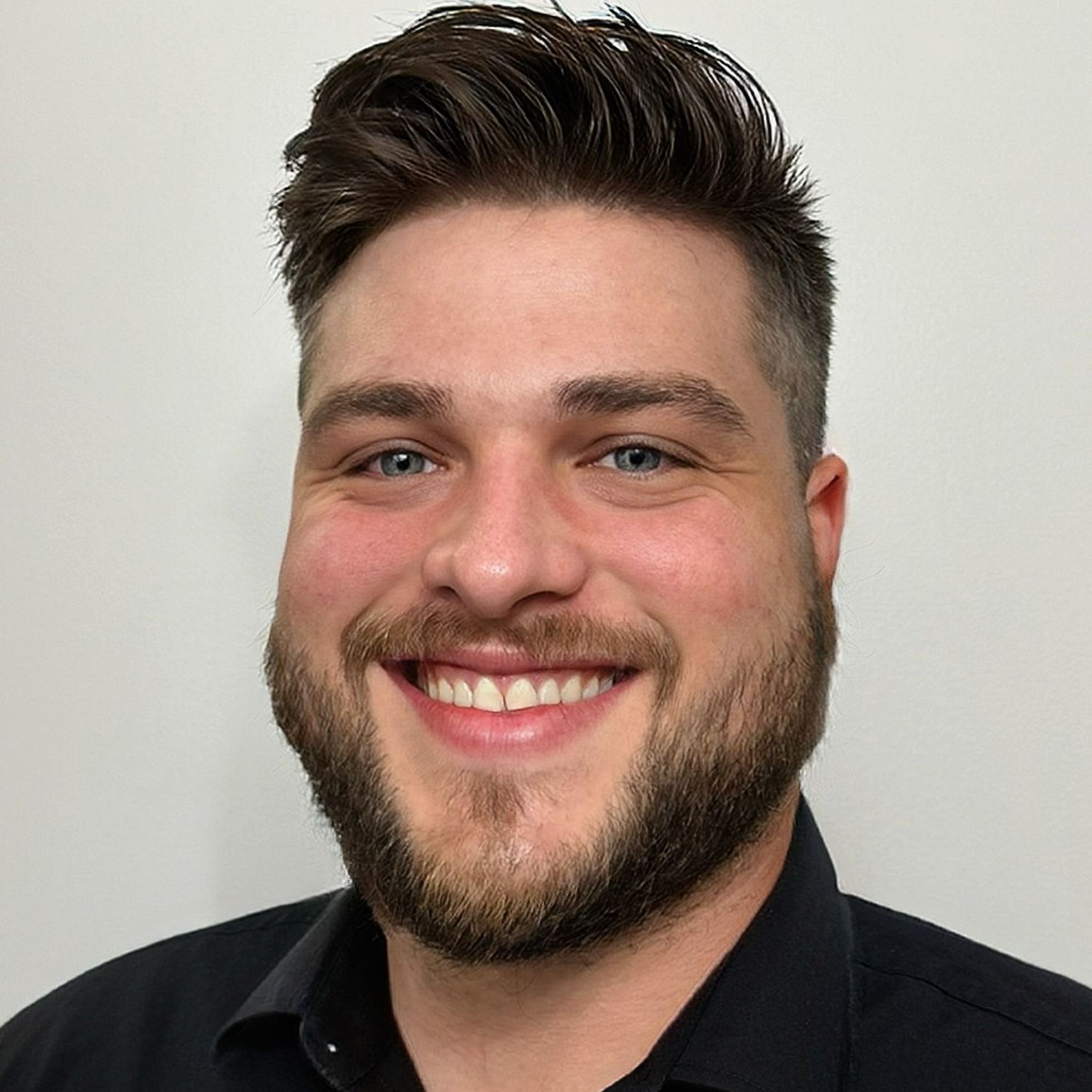
Jace Hugo
Mortgage Banker | NMLS: 2622504
Mortgage Banker | NMLS: 2622504
Owning a home is often seen as a cornerstone of the American Dream. However, many people feel that the dream of homeownership is out of reach because they believe they need a large sum of money saved up for a down payment. The good news is that there are several opportunities available for those who want to buy a home with little or no money down. These options can open doors for new homeowners who may have been hesitant to take the first step.
One of the primary avenues to explore is government-backed loan programs. These programs were designed to help people achieve homeownership, and they often require very little, or even no, money down. For example, the VA loan program is a fantastic option for veterans and active military members. It allows qualified individuals to purchase a home without making a down payment, making it easier for them to transition to civilian life and settle down.
Another popular option is the USDA Rural Development loan. This program is aimed at individuals looking to buy homes in rural areas and can offer financing with no down payment. The requirements for these loans are quite manageable, and they are designed to help those who might not qualify for traditional loans. It’s a great opportunity for those wanting to escape the hustle and bustle of city life while enjoying the benefits of homeownership.
Additionally, FHA loans are widely recognized for their low down payment requirements. While they typically require a down payment of 3.5%, there are some down payment assistance programs available that can help buyers cover that initial cost. These programs often come from local and state housing agencies, making them accessible for first-time homebuyers. They can provide grants or loans to help with down payments, making it easier to step into a new home.
To further assist potential homeowners, many states offer various assistance programs, often targeting first-time buyers or those with low to moderate incomes. These programs can be a lifesaver for individuals who might not have enough savings. It’s essential to research local programs and find out what options are available in your area. Many of these programs can significantly reduce the financial burden of buying a home.
Another important aspect to consider is the option of seller concessions. In many real estate transactions, the seller can agree to pay a portion of the buyer’s closing costs. This arrangement can effectively reduce the amount of cash needed at the closing table. It’s a win-win situation, as it can make the home more attractive to buyers while also allowing sellers to close the deal more quickly.
Working with a knowledgeable real estate agent can also enhance your homebuying experience. An experienced agent will be aware of the current market conditions and can help you find properties that qualify for these financing options. They can also guide you through the negotiation process, which can further alleviate financial pressures.
It’s also crucial to build a good relationship with your mortgage loan officer, who can provide personalized guidance based on your unique situation. Whether you’re a first-time buyer or looking to move up, a loan officer can help you navigate the various loan products and assistance programs that may be available to you.
Credit scores are another crucial element when considering homeownership. While some programs have flexible credit requirements, maintaining a healthy credit score can improve your chances of securing a favorable loan. If you’re concerned about your credit, take steps to improve it before applying for a mortgage. Simple actions such as paying bills on time, reducing debt, and keeping credit card balances low can make a significant difference.
While it might feel overwhelming at first, remember that homeownership is a journey. Start by assessing your financial situation and setting clear goals. Are you looking for a starter home, or do you envision a forever home? Understanding your needs will help you make more informed decisions as you move forward.
Another helpful tip is to attend homebuyer education workshops. Many community organizations offer free or low-cost sessions that provide valuable information about the homebuying process. These workshops often cover budgeting, mortgage options, and the steps involved in buying a home. They can empower you with knowledge, making you feel more confident as you take on this significant milestone.
In addition, consider reaching out to local housing authorities or non-profit organizations that focus on homeownership. These organizations can provide resources, support, and sometimes even financial assistance to help you on your path to buying a home. They often have staff who are dedicated to helping individuals and families achieve their homeownership dreams.
With the right knowledge and resources, the dream of owning a home can become a reality, even if you currently have little or no money saved for a down payment. The key is to stay informed and proactive in seeking out opportunities. Many programs are designed to help first-time buyers and those with limited financial means, and you might be surprised at what you may qualify for.
Remember, each situation is unique, and it’s important to explore what fits best for you. If you have specific needs, don’t hesitate to reach out to discuss your options. Whether you’re ready to take the plunge or just starting to think about homeownership, I’m here to help guide you through the process. The dream of owning your own home is within reach, and with the right support, you can make it happen. Feel free to contact me to discuss your needs and take the first step toward owning your dream home.
Mortgage Banker
UFFC Mortgage | NMLS: 2622504